Key Takeaways
- The highest-paying welding work isn’t a single job title — it’s a combination of specialty certification, location, and willingness to take on hazard or remote conditions.
- Pipeline welding in oil-producing states can pay considerably more than general structural welding, especially with 6G pipe certification.
- Underwater welding has the widest pay range of any welding specialty — and the highest ceiling for those who stack certifications and offshore experience.
- Side businesses like mobile welding repair, custom fabrication, and metal art let welders earn beyond a single employer’s pay scale.
- Six-figure welding incomes are real but tied to specific high-risk or high-skill niches — they’re not the default outcome of getting a welding certificate.
What’s the Most Profitable Type of Welding?
There’s no single “most profitable” welding job — pay depends on the combination of specialty, certification, location, and risk involved. Underwater welders top the pay range at $40,000 to $200,000+, followed by pipeline and rig welders at $50,000 to $135,000, certified welding inspectors at $70,000 to $110,000, and aerospace welders at $60,000 to $100,000+. Generally, the jobs that pay the most combine a hard-to-replace skill with physically demanding or hazardous conditions — which is also why they require the most certification and experience to access. Bestjobsearchapps
Why It Matters Right Now
Welding income varies more by decision-making than by luck. A pipeline welder in Texas can earn a median of $48,000–$53,000, with the top 10% reaching $72,000–$135,000, while a general structural welder in the same state typically tops out lower. Union membership alone adds a 25–40% premium, pushing average pay to around $74,896. The gap between a welder earning average pay and one earning well above it usually comes down to specific, learnable choices — certifications, location, and niche. BestjobsearchappsBestjobsearchapps
Highest-Paying Welding Specialties
Pipeline Welding
6G pipe certification alone can unlock pay in the $80,000–$120,000+ range, especially in oil and gas-heavy regions where pipeline work is concentrated. Bestjobsearchapps
Underwater Welding
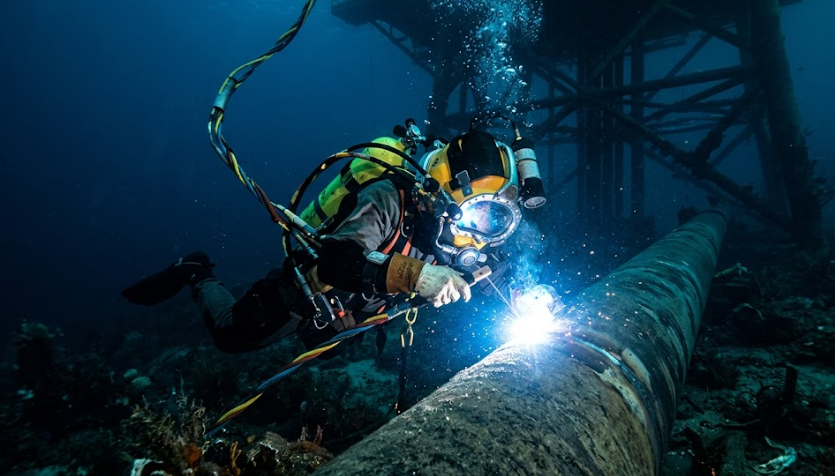
This is the widest pay range in the trade. Specialized underwater pipeline welders in the Gulf of Mexico consistently earn $70,000–$95,000 annually, and veteran divers with 1,000+ logged hours and proven offshore track records can command day rates of $600–$900, with elite deep-sea specialists earning $1,200+ per day on complex installations. Some divers eventually transition into supervisory roles overseeing crews, earning $110,000–$150,000 as salaried employees. DOLLARHIRE + 2
Certified Welding Inspector (CWI)
CWI certification is one of the certifications that pay the most, moving a welder out of hands-on fabrication and into inspection and quality assurance roles, often at $70,000–$110,000. Bestjobsearchapps
Aerospace and Nuclear Welding
Both fields demand exceptionally tight tolerances and specific certifications, which is reflected in pay that regularly exceeds general fabrication and structural welding rates.
Welding Side Hustles and Business Ideas
Mobile Welding Repair
Equipment trailers, farm gear, fences, and trailers break constantly, and most owners would rather pay for an on-site repair than haul broken equipment to a shop. A mobile rig with a portable welder and basic tools turns into a steady local repair business.
Custom Fabrication and Metal Art
Custom railings, furniture, gates, and decorative metalwork command a premium over standard fabrication because clients are paying for design as much as the weld itself.
Welding Classes and Tutoring
Experienced welders can earn extra income teaching basic skills to hobbyists, especially as home workshop welding has grown in popularity.
Equipment Rental or Resale
Buying, refurbishing, and reselling used welding equipment is a low-overhead side business for welders who already know what to look for in a used machine.
How Certifications and Location Change Your Pay
Highest paying states for welders have historically included Alaska, Hawaii, the DC area, Connecticut, and New Jersey, largely due to cost of living and concentrated demand in specific industries like oil, defense, or construction. Stacking certifications — pipe welding, underwater AWS D3.6, CWI inspection, NDT testing — compounds pay increases far more than simply accumulating years of general experience. Bestjobsearchapps
How to Increase Your Welding Income: Step-by-Step
- Get certified in a specialty, not just general welding. Pipe, underwater, or aerospace certifications open doors general certification doesn’t.
- Go where the demand is. Relocating toward oil, gas, or marine construction hubs often changes earning potential more than years of experience does.
- Add a complementary skill. NDT testing or CWI inspection stacked on top of hands-on welding skill increases your rate without requiring a full career change.
- Consider union membership if it’s available in your trade and region, given the documented wage premium.
- Build a side business in your off-hours — mobile repair or custom fabrication work doesn’t require leaving your primary job to start generating extra income.
Common Mistakes Welders Make When Chasing Higher Pay
- Assuming any welding certificate guarantees high pay — entry-level certification opens the door to a career, not automatically to six-figure jobs.
- Ignoring location entirely — the same skill set can pay dramatically differently depending on regional demand and cost of living.
- Skipping safety training to get into hazardous specialties faster — underwater and pipeline welding pay well specifically because the risk is real, and cutting corners on training increases that risk without increasing pay.
- Treating a side hustle like a hobby — mobile welding and fabrication businesses need the same pricing, scheduling, and customer service discipline as any other small business to actually generate steady income.
- Underpricing custom fabrication work — charging shop-rate pricing for custom design work undervalues the design time that makes custom work profitable in the first place.
Wrapping Up
The welders earning the most aren’t necessarily working harder — they’re working in higher-demand specialties, in the right locations, with the certifications that unlock those roles. Whether that means pursuing pipe certification, getting into underwater welding, or building a mobile repair business on the side, the path to higher welding income is usually a specific, learnable decision rather than luck.
Frequently Asked Questions
What is the most profitable type of welding?
There isn’t one single answer — underwater welding has the highest ceiling but also the widest range and highest risk, while pipeline welding and certified inspection offer more consistent six-figure potential with somewhat lower risk. The most profitable path usually combines a specialty certification with a high-demand location.
How can a welder make $100,000 a year?
This is realistic in several specialties: experienced pipeline welders, offshore underwater welders with several years logged, certified welding inspectors, and welders who add union membership or relocate to high-demand regions like the Gulf Coast or Alaska. It typically requires stacking certifications, not just general welding experience.
Can you make $300,000 as a welder?
This level of income is possible but rare, and it generally requires an unusual combination of factors — elite-level underwater welding certification, extensive offshore experience, hazard pay for extreme conditions, and often supervisory responsibilities on top of hands-on work. It’s closer to a ceiling reached by a small number of highly specialized welders than a typical outcome.
How can a welder make more money?
Stacking a specialty certification (pipe, underwater, aerospace, or NDT/CWI) on top of general welding skill is the most reliable lever, followed by relocating toward regions with concentrated demand and considering union membership where available. Building a side business in mobile repair or custom fabrication is another path that doesn’t require leaving a current job.
What welding jobs pay $50 an hour?
Specialized pipe welders, underwater welders, and union welders working overtime on industrial or offshore projects frequently reach or exceed $50 an hour once certifications, hazard pay, and overtime are factored in. Base hourly rates alone rarely hit that number without one of those additional factors.