In 2025, welding is drawing serious attention as a reliable, skilled trade option offering solid pay, hands-on work, and diverse opportunities. If you’re wondering “is welding a good career?“, this guide breaks it down — from salary and growth to challenges, certifications, and who it suits best.
Why Welding Is a Good Career to Consider?
Hands-On Work for Practical Learners
Welding is a tactile, physically engaged craft—perfect for individuals who prefer building tangible results over sitting behind desks. It provides a unique sense of accomplishment as you physically create structures that are vital to industries and communities. This career suits those who enjoy solving real-world problems with their hands and seeing the immediate impact of their work.
High Demand Across Industries
Welders are essential in construction, shipbuilding, oil & gas, renewable energy, and manufacturing industries, contributing directly to infrastructure and innovation. From skyscrapers and bridges to pipelines and wind turbines, welded structures form the backbone of modern development. As technology evolves, the need for precision welding in sectors like aerospace, automotive, and clean energy continues to grow steadily.
Global Skilled Labor Shortage
The American Welding Society estimates a shortfall of up to 400,000 welders by 2024, with continuing demand through 2029 and over 80,000 welding roles needed annually.
Is Welding a Good Career in Terms of Salary in 2025?

Entry-Level to Experienced Pay Range
Median pay in the U.S. for welders, cutters, and brazers falls around $44,000-$47,000/year. Specialized welders and pipeliners can earn from $60K up to $120K+.
Salaries by Industry Specialization
Pipeline welding roles offer high pay—entry at $40K–$60K, median $69K, and top earners over $100K annually. Underwater welders may earn from $39K to $137K depending on risks and certifications.
Geographic Variations in Pay
Welders in high-cost, unionized regions can command $30+/hour. Traveling or union jobs often offer higher net returns.
Welding Career Paths: Is Welding the Right Career for You?
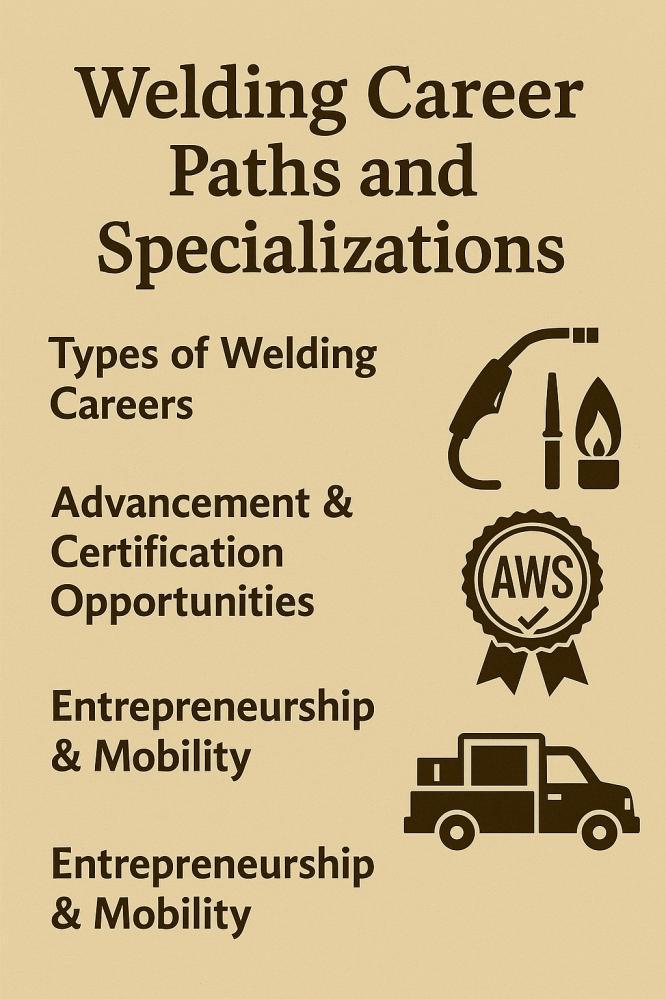
Types of Welding Careers
Opportunities include MIG, TIG, stick welding, pipeline welding, underwater welding, inspection, robotics, and more. Each discipline has its own tools, techniques, and certification needs, offering welders the flexibility to specialize based on interests or industry demand. For example, TIG welding is preferred in precision fabrication like aerospace, while stick welding dominates in structural steel and pipeline jobs.
Advancement & Certification Opportunities
Career progressions include becoming a Certified Welding Inspector (CWI), foreman, welding engineer, trainer, or business owner. Welders who pursue advanced certifications through AWS or other organizations often see higher earning potential and access to supervisory roles. Some professionals transition into quality control, testing, or even robotic welding programming, which blends hands-on knowledge with tech skills.
Entrepreneurship & Mobility
Mobile welders and fabrication entrepreneurs offer services across residential, agricultural, and industrial sectors. Mobile welders and fabrication entrepreneurs offer services across residential, agricultural, and industrial sectors. With the right equipment and licenses, many welders operate mobile welding rigs, serving clients on construction sites, farms, and remote areas. This independence allows for setting your own schedule, pricing, and service area — turning a skilled trade into a profitable business.
Why Welding is a Good Career Choice?

If you’re looking for more technical guidance and examples, check out modernwelding.net.
Short Training Period
Certifications and vocational programs can be completed in 6 to 18 months. This makes welding one of the fastest pathways to a stable, well-paying job without needing a four-year degree. Some programs even offer job placement assistance, allowing new welders to enter the workforce immediately after certification.
Low Barrier to Entry
Welding training is accessible and affordable. Institutions like AWS-accredited schools and community colleges offer fast-track certification paths. Financial aid, scholarships, and workforce grants make it possible for individuals from all backgrounds to get started. Additionally, many employers provide on-the-job training or apprenticeship options that pay while you learn.
Travel & Work Flexibility
Pipeline, industrial, or offshore welders often travel for projects, allowing for varied schedules and travel perks. Welders may work on high-profile builds, remote installations, or time-sensitive industrial repairs across states or countries. This flexibility also appeals to adventurous individuals who want to see new places while earning above-average wages.
Strong Job Security
With continued infrastructure investment and retiring baby-boom welders, demand remains high. Essential industries rely on skilled welders to maintain operations, meaning there’s consistent work even during economic downturns. In many regions, employers are struggling to fill positions, giving qualified welders strong negotiating power.
Challenges and Cons of Being a Welder

Physically Demanding Work
You’ll be standing, bending, and holding awkward postures—often in hot or confined conditions. Welders may work long shifts, often in overhead, vertical, or underground positions that strain the body over time. Without proper ergonomic habits and rest, fatigue and joint stress can become long-term issues.
Safety Risks
Welding involves exposure to high-heat, UV radiation, toxic fumes, and sparks. Improper PPE or inadequate ventilation can lead to burns, arc eye, or respiratory problems. Following strict safety procedures and regularly inspecting equipment are critical to minimize hazards.
Not for Everyone
Long hours, manual labor, dirty conditions, and sometimes shift work may not suit everyone. Welding requires focus, endurance, and the ability to thrive in environments that are often loud, hot, and physically intense. For those unaccustomed to trade work or looking for clean, climate-controlled office settings, this path may be a tough adjustment.
Is Welding Still a Good Career for the Future?
Outlook from BLS & Trade Organizations
Projected 82,500 jobs/year through 2029 and 320,000+ new welding professionals needed illustrates sustained demand.This growth is fueled by retiring baby boomers, new infrastructure projects, and reshoring of manufacturing in the U.S. and other countries. Trade associations like the American Welding Society continue to advocate for stronger training programs to close the labor gap.
Automation vs Skilled Welders
Automation handles repetitive welding, but skilled human welders remain essential. Complex welds in structural steel, aerospace, and pipefitting still require manual control, decision-making, and precision that machines can’t replicate. Additionally, experienced welders are needed to program, monitor, and maintain automated systems—turning automation into an opportunity rather than a threat.
Sustainability & Green Infrastructure Needs
Growth in renewable energy and infrastructure repair is fueling demand for welding craftsmanship. Green energy sectors—like wind turbines, solar arrays, and hydrogen power—rely heavily on skilled welders for fabrication and installation. As governments and private sectors invest in sustainable solutions, welders will play a critical role in building the next generation of clean infrastructure.
Is Welding a Good Career for You? Traits of a Great Welder
Ideal Traits
Successful welders are mechanically inclined, detail-oriented, disciplined, and safety-focused.
Best Age to Start
Entry is open at any age—even transitioning professionals in their 30s–40s can pivot successfully.
Career Changers & Apprentices
Military veterans, tradespeople, or service workers often pivot smoothly. Apprenticeships offer structured on-the-job training while earning income.
How to Start a Good Welding Career
Education & Certification
Most start with vocational training or community college programs. Key certifications include AWS Certified Welder (CW), API 1104, and CWI.
Apprenticeship vs Formal Training
Apprenticeships combine hands-on learning with class instruction. Formal programs may offer faster certification but less field experience.
Timeline & Cost to Become a Welder
Many entry-level welders begin working within 6 to 12 months. Costs vary based on institution, certification exams, and personal equipment.
Conclusion
So, is welding a good career? Absolutely—welding remains a strong choice for individuals who enjoy hands-on work and want to build a stable, rewarding profession. Skilled welders are in high demand across various industries, including construction, manufacturing, and energy, ensuring ongoing job security and consistent employment opportunities.
Beyond job stability, welding also offers exciting possibilities such as travel and specialization. Many welders find work on projects around the world, from offshore oil rigs to large infrastructure developments, allowing them to explore new places while honing their craft. Additionally, pursuing certifications like the AWS welding certification can open doors to higher wages and advanced roles in the field.
While welding can be physically demanding and requires strict adherence to safety protocols, its benefits far outweigh these challenges for many people. Whether you’re just entering the workforce or contemplating a career change, welding provides a practical, future-forward path with opportunities for growth and personal fulfillment.
Frequently Asked Questions
Is becoming a welder worth it?
Yes, becoming a welder is worth it for individuals who enjoy hands-on work, want to avoid student debt, and are looking for a stable career with high demand. With short training periods and opportunities to specialize or start your own business, welding can offer strong earning potential and job security.
What are the negatives of being a welder?
Welding is physically demanding and involves risks like burns, UV exposure, and inhalation of fumes. It often requires working in hot, cramped, or outdoor environments. Long hours and strict safety protocols may not appeal to everyone, but for those who can handle the conditions, it’s a rewarding trade.
Do you make good money as a welder?
Yes, welders can make excellent money—especially in specialized fields like pipeline, underwater, or industrial welding. Entry-level positions average $40K–$47K annually, while top-tier professionals can earn $80K to over $100K with experience, certifications, and overtime.
Is welding a good future?
Absolutely. Welding continues to be a high-demand trade due to aging infrastructure, global labor shortages, and the rise of clean energy projects. As automation and green industries grow, skilled welders are becoming even more valuable for complex and precision-based work.